

India faces a stark reality: while millions of young people enter the workforce each year, far too many lack the skills employers desperately need. The World Economic Forum’s own research shows that 50% of the global workforce will need reskilling by 2025. But what if the solution came not from governments or corporations alone, but from young people themselves?
In Ahmedabad, that question is being answered by Project Accelerate, a youth-led initiative emerging from the Global Shapers Community Ahmedabad hub that has quietly become a model for how grassroots action can address systemic challenges at scale. By combining hands-on training, mentorship, and strategic partnerships, the initiative has reached over 2,30,000 young people and community members in just four years demonstrating that transformative change doesn’t always come from the top down.
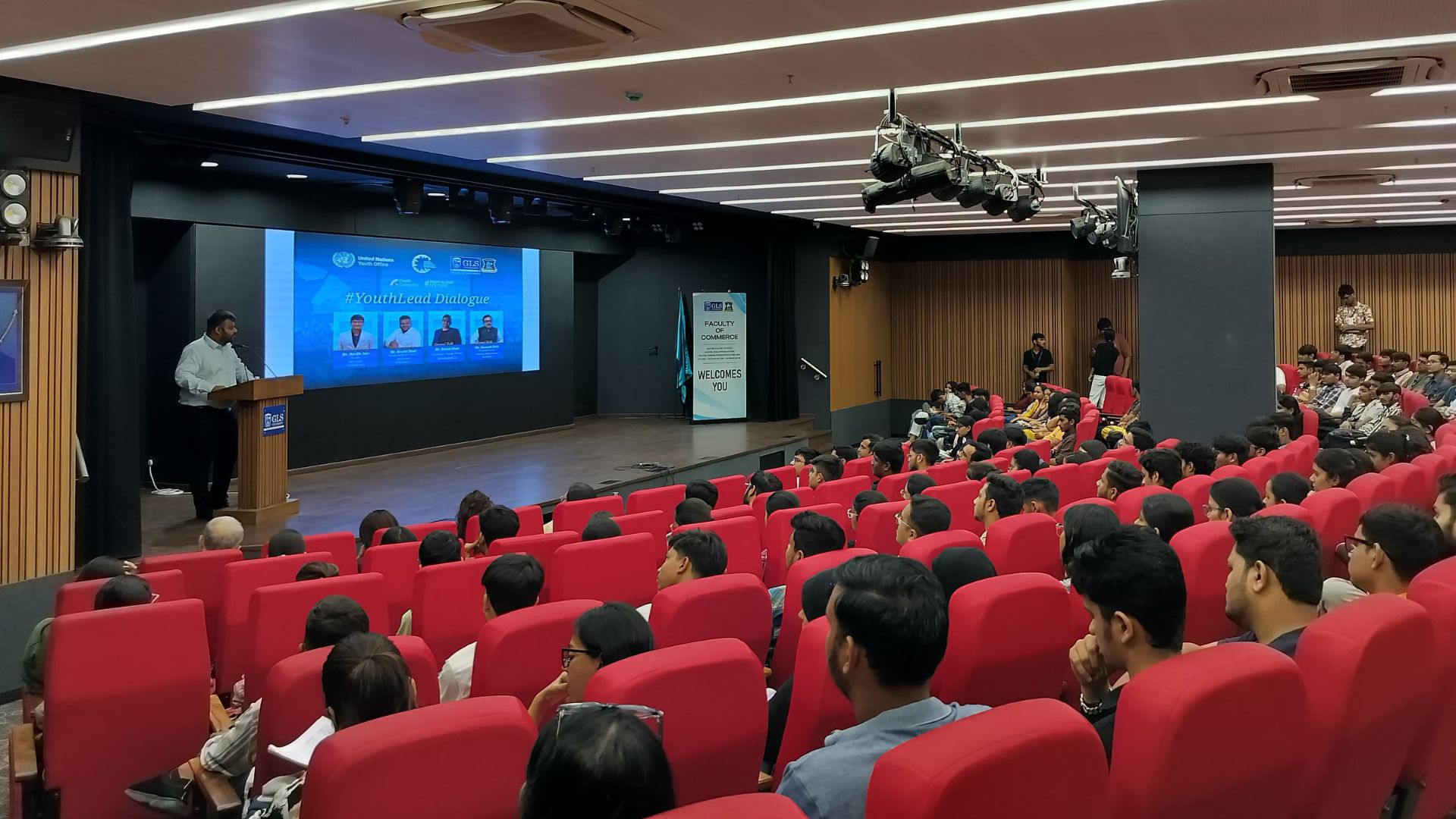
India’s education system produces graduates, but not always workers. Employers complain of a mismatch between what students learn and what jobs require. Digital literacy remains low outside major cities. Soft skills like critical thinking, communication, and problem-solving are rare. Meanwhile, cybersecurity threats grow faster than India’s ability to defend against them.
Project Accelerate identified these gaps early and built its strategy around three core pillars: youth skilling, women’s economic empowerment, and cybersecurity awareness. Rather than duplicate what traditional education provides, the initiative focused on the gap between classroom theory and real-world demand.
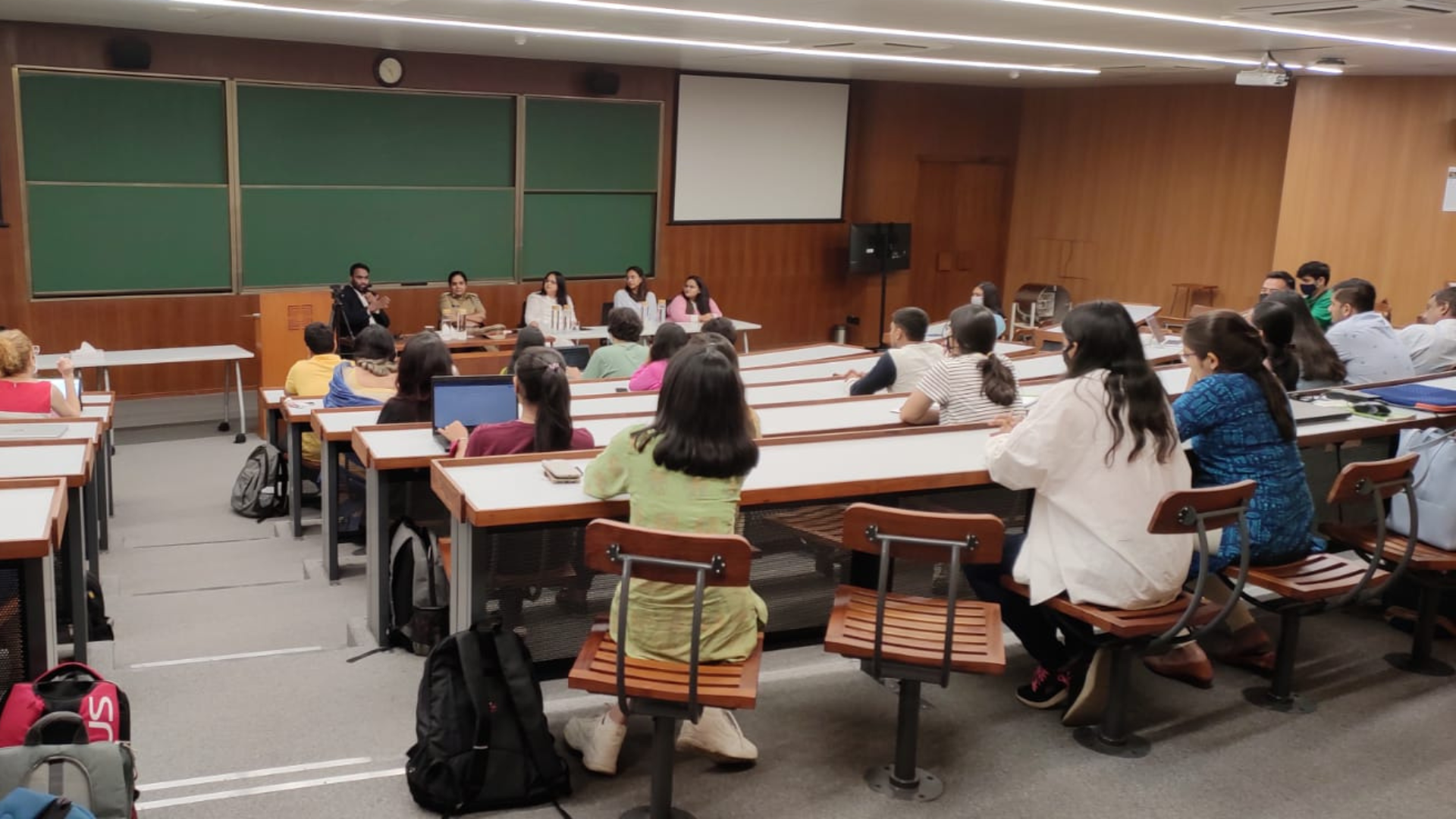
The numbers tell the story. A single Digital Literacy Master Class reached over 100,000 students across hundreds of schools in Gujarat. A “Future-Ready Skills” course certified 1,500 engineering students in entrepreneurship, leadership, and sustainable development. But quantity without quality would be meaningless. Project Accelerate pairs training with mentorship, connecting students directly to industry professionals and internship opportunities through established partners like NASSCOM, FICCI, ASSOCHAM, and CII.
The result? Young people from small towns who might never have dreamed of tech careers now have a pathway there. One student, after completing the Digital Literacy course, secured a job at a multinational company abroad. Many such students were able to start afresh and look beyond traditional careers. These stories matter not just emotionally, but economically, they represent India’s untapped potential.
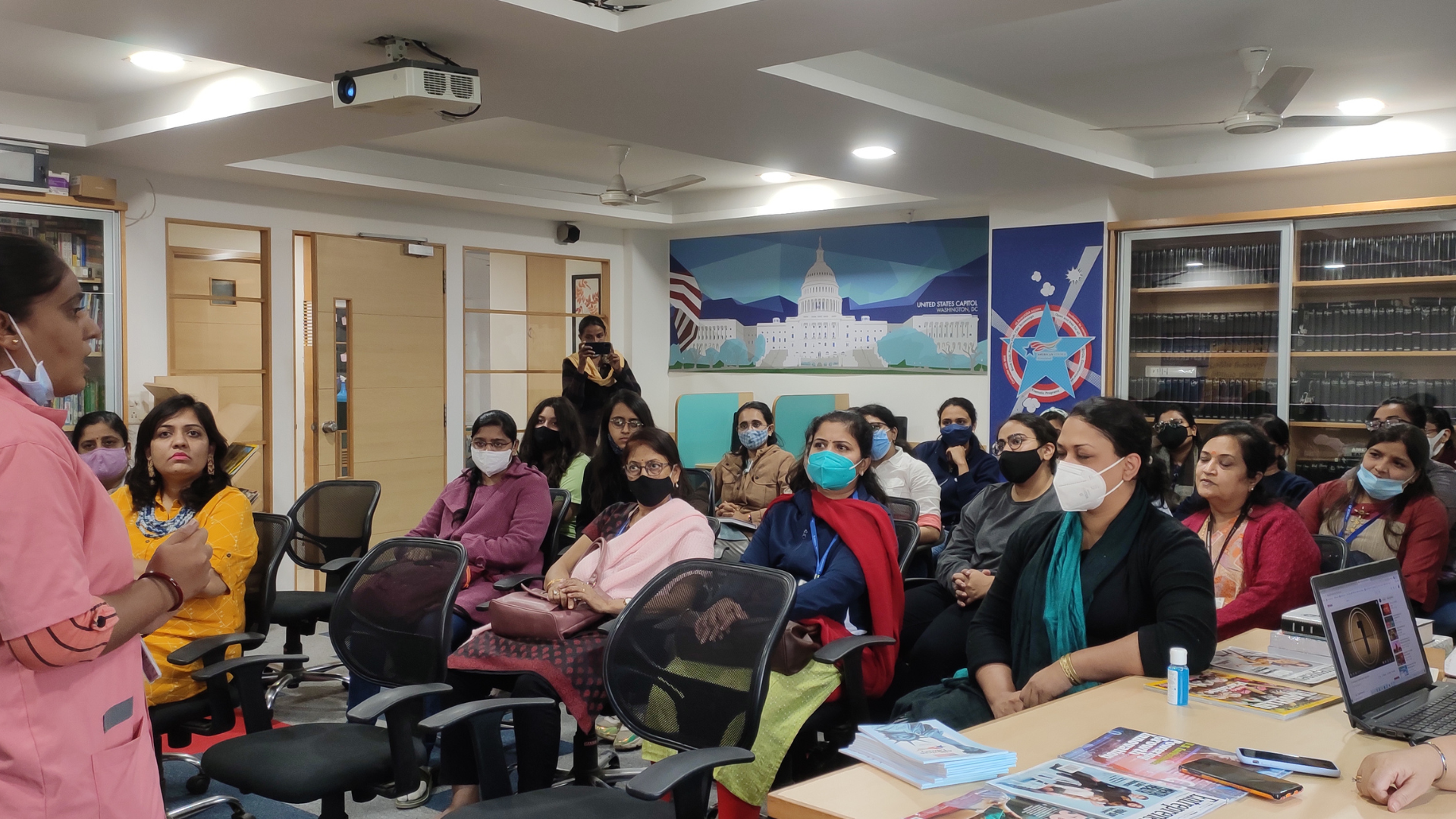
If skills training is Project Accelerate’s foundation, women’s economic empowerment is its beating heart. The initiative recognized that women, especially from marginalized communities face distinct barriers to workforce participation. So it designed programs specifically for them: vocational training in crafts and digital marketing, entrepreneurship courses lasting 15 days to three months, and crucially, guidance through the government schemes and certification processes.
Between August 2021 to July 2023, the hub has trained over 400 women, with 279 from rural areas and 127 from urban marginalized communities completing full entrepreneurship programs. Nearly 100 of these women accessed government support totaling ₹10 million, transforming business ideas into operating enterprises. The hub also reached over 3,200 adolescent girls through workshops on digital safety and life skills, investing in the next generation of female workers.
“When women thrive as entrepreneurs, the whole community benefits,” Krunal Shah, Shaper at AGS emphasizes. It’s not charity; it’s smart economics. The International Labour Organization estimates that achieving gender parity in the workforce could add trillions to global GDP. Project Accelerate is building that case locally.
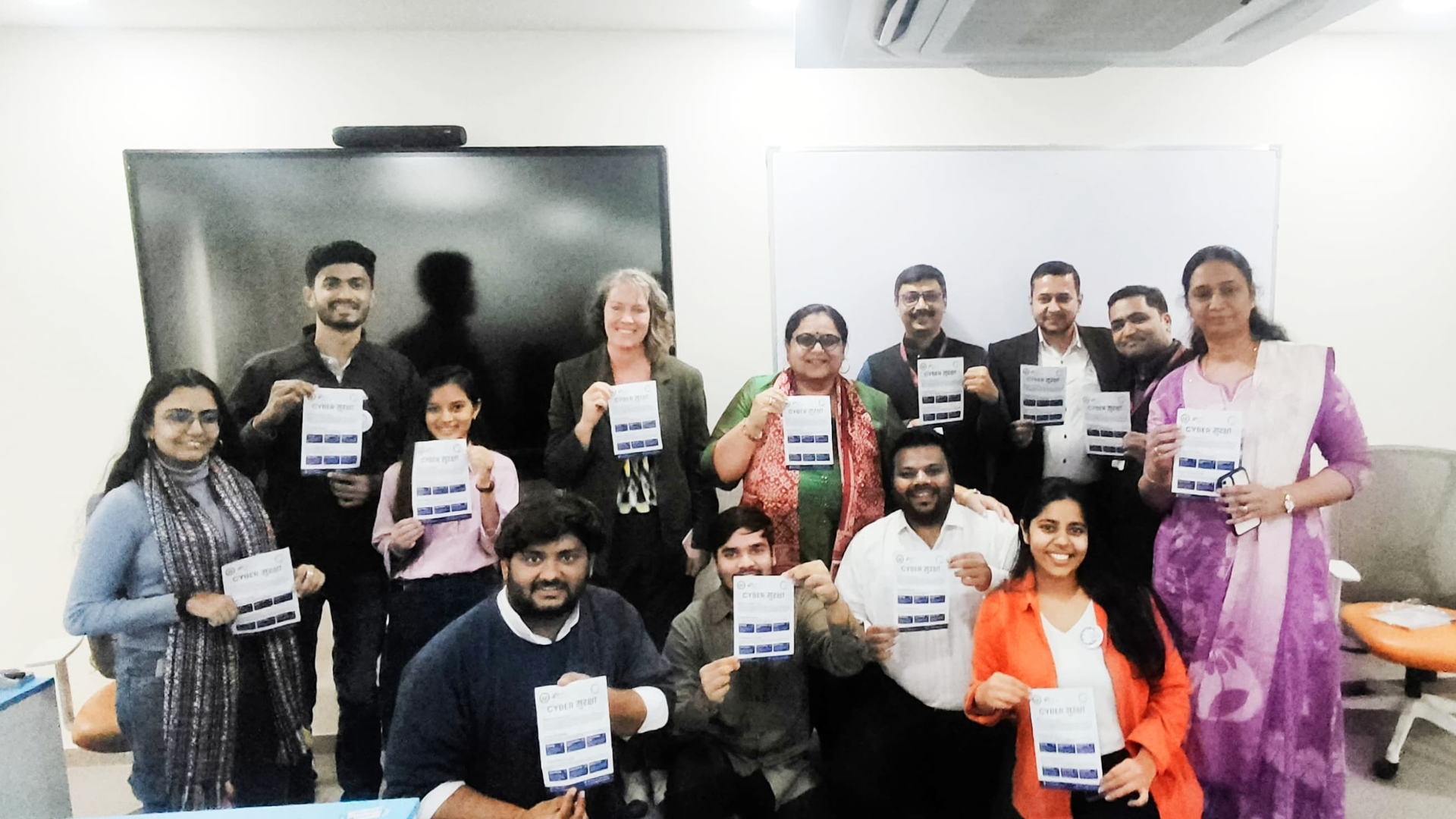
A digital India is a vulnerable India unless everyone learns to protect it. Project Accelerate’s “CyberSuraksha” program, partnered with IBM SkillsBuild and the US State Department, has certified 1,000 students in cybersecurity fundamentals through a rigorous six-month course. The training spans basic hygiene (recognizing phishing, securing passwords) to advanced defence strategies.
This matters because cybersecurity jobs in India already far exceed available skilled workers. More importantly, a digitally literate population that understands online safety is a resilient population. By embedding cybersecurity modules into digital literacy classes, Project Accelerate ensures every graduate leaves with both skills and awareness.
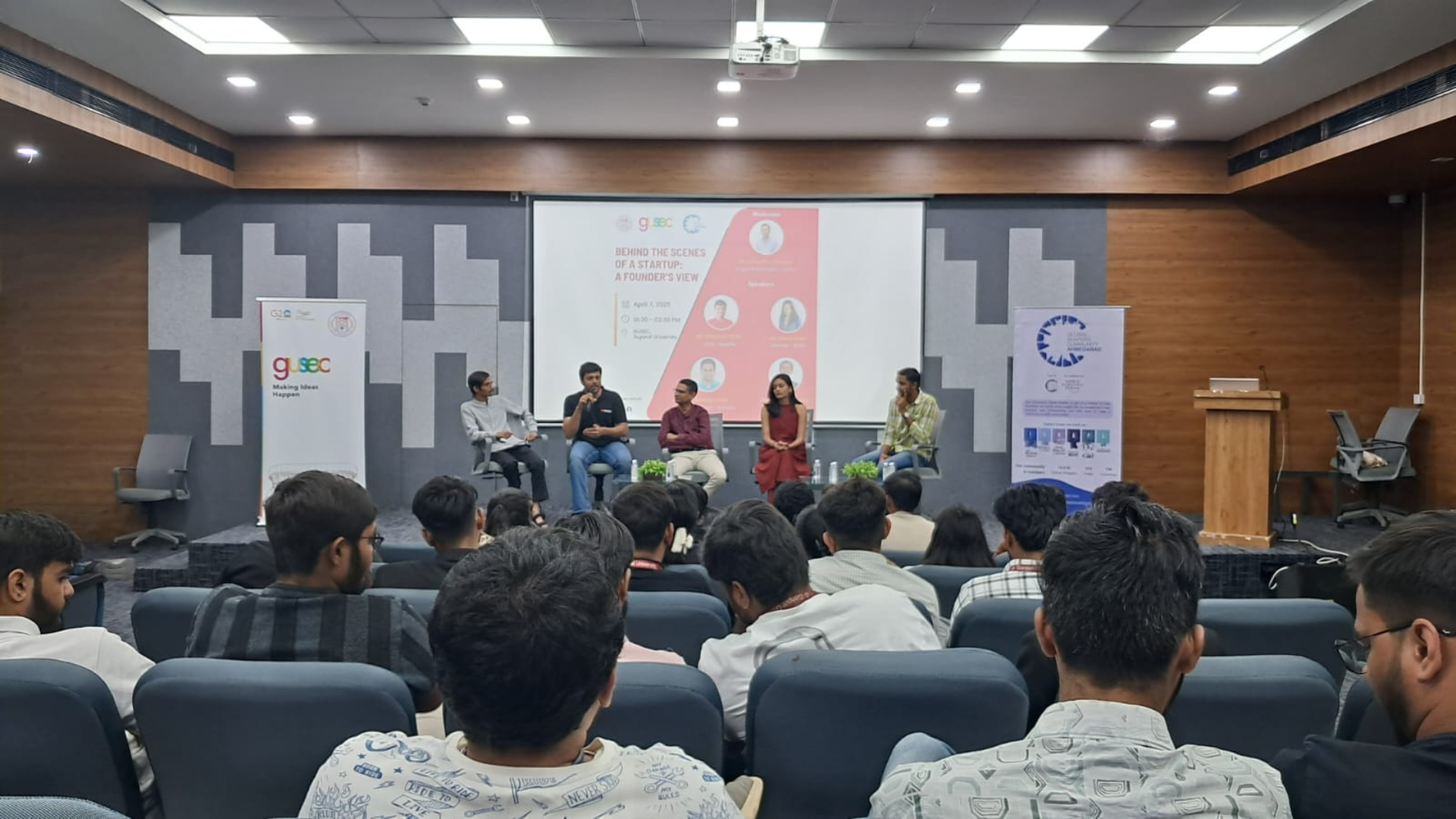
One of Project Accelerate’s most transformative innovations is its annual Entrepreneurship Summit, a unique platform where aspiring entrepreneurs meet seasoned business leaders, investors, and innovators face-to-face. In a country where many young people dream of starting ventures but lack insight into the realities of entrepreneurship, this summit fills a critical void.
The summit brings together participants with a carefully curated network of industry leaders and international speakers who share candid insights on what entrepreneurship truly demands. Rather than glamorizing startup success, speakers provide the “reality check” that aspiring founders desperately need: the failures behind the wins, the capital challenges, the market realities, and the personal sacrifices required. This honest dialogue transforms abstract ambitions into grounded decisions.
Beyond entrepreneurship, the Project’s scope is remarkably broad. National and International speakers through ‘Meet The Leader’ engage participants on diplomacy, democracy, management practices, and civic issues, recognizing that today’s citizens must not just be knowledgeable but also conscious of the social and political landscapes they operate within. This interdisciplinary approach produces leaders who understand that success is inseparable from societal impact.
Project Accelerate didn’t build this alone. Strategic partnerships amplified reach and credibility across multiple dimensions of the initiative. UNDP-backed programs offered global certification for skills training; academic institutions like IBM, GUSEC helped shape curriculum; industry bodies like NASSCOM, FICCI, ASSOCHAM, and CII—opened internship pipelines and provided real-world case studies. IBM SkillsBuild and the US State Department brought cybersecurity expertise to CyberSuraksha. These collaborations transformed a good initiative into a scalable movement.
That multiplier effect is where one youth-led team sparks action across an entire ecosystem and this may be Project Accelerate’s greatest achievement. It shows that impact doesn’t require massive budgets or bureaucratic machinery. It requires clarity of mission, young people willing to lead, and partners willing to support.
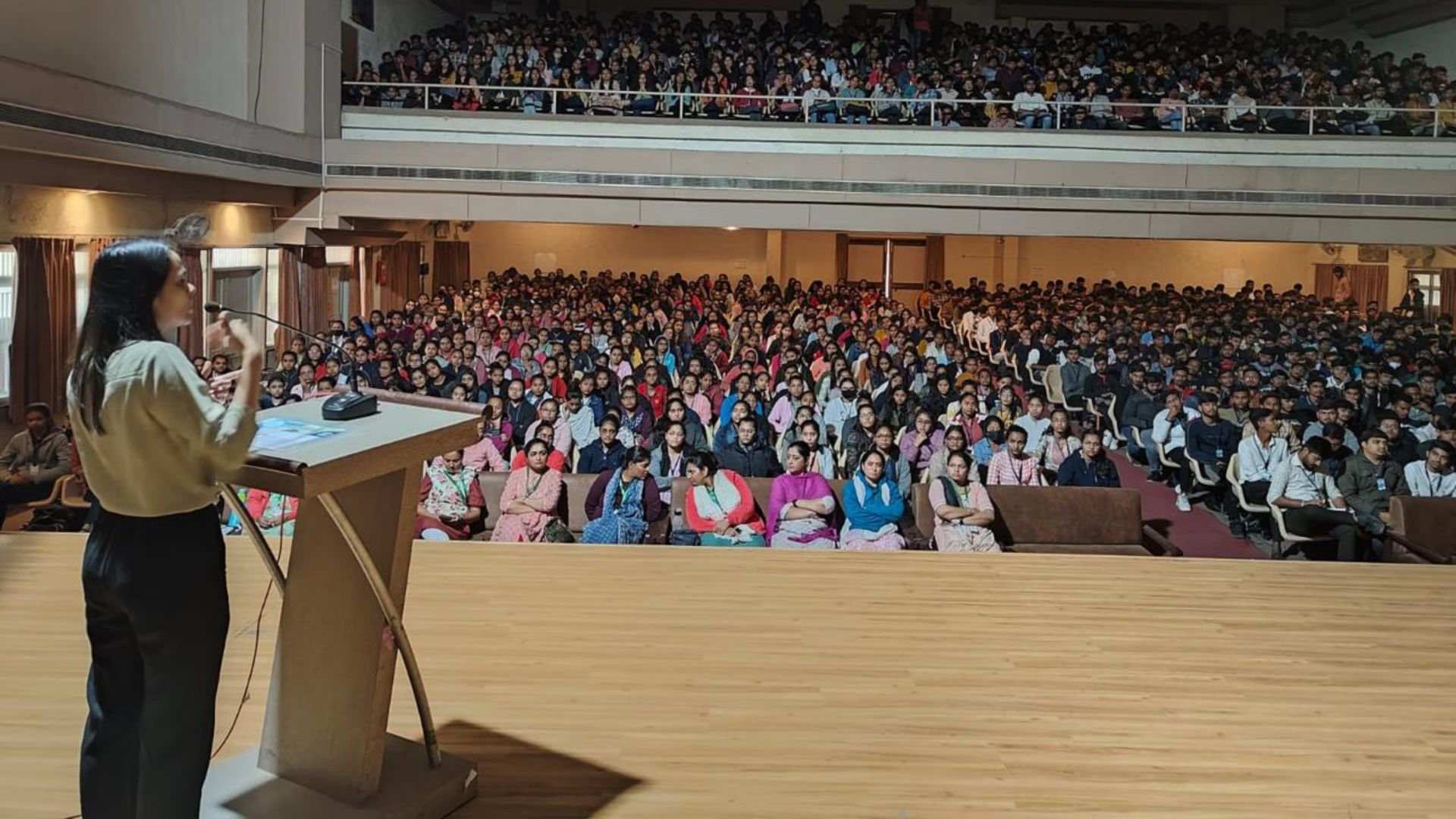
Project Accelerate earned recognition at the WEF’s Shape South Asia Summit and features in the Global Shapers Community’s 2022–23 annual report, World Economic Forum’ sAnnual Report 2023 precisely because it works. Its impact aligns with the UN Sustainable Development Goals—specifically SDG 4 (Quality Education), SDG 5 (Gender Equality), SDG 8 (Decent Work and Economic Growth), and SDG 9 (Industry, Innovation and Infrastructure). But more importantly, it demonstrates a model other cities and countries can replicate.
Krunal Shah, the Founder of Project Accelerate and Ex- Curator of Ahmedabad Global Shapers states that “This is just the beginning. Youth can lead solutions to global challenges, from bridging education gaps to bolstering gender parity.” With tens of thousands of lives already transformed, hundreds of women now economically independent, and a new generation of entrepreneurs equipped with both skills and realistic understanding, the momentum is real.
As India races to become a $5 trillion economy, its greatest asset isn’t capital or infrastructure, but its 1.4 billion people, many of them young. Project Accelerate proves that when you invest in youth, equip them with skills, trust them to lead, and connect them to authentic voices and real opportunities, the returns aren’t just economic. They’re transformational.
Today the Project Accelerate is led by shapers of 2024 batch Niyati Shah and Cheet Raval who are at forefront of this project and exploring to soon launch Project Accelerate 2.0 re-aligning with the skill gaps and market needs along with continuing with past verticals.
In past years this project was supported by shapers Dr. Jay Merja, Raj Andani, Liza Vanzani, Sharvari Parikh, Milan Patel and many more in different capacities.

Dynamic global changemaker and strategic leader with 8+ years of demonstrated excellence in youth empowerment, policy advocacy, and international development. Recognized by the Government of India, United Nations, and World Economic Forum for driving transformative initiatives impacting over 1 million young people across India and South Asia. Proven expertise in multilateral diplomacy, geopolitical dialogue, institutional partnerships, and scalable social innovation. Fluent in cross-cultural communication with extensive experience engaging high-level political figures, international organizations, and global decision-makers on matters of youth development, sustainable development, and inclusive growth. Recently, he was invited by the Ministry of Youth Affairs to serve as a mentor at the prestigious National Youth Festival. In this esteemed role, he had the honor of presenting the aspirations of millions of young individuals from Bharat to the Hon’ble Prime Minister of India, Shri Narendra Modi.
Krunal has been part of Global Shapers Community since 2020 and has served as Curator and Vice-Curator of Ahmedabad Hub in 2021, 2022 and 2024.